


Fusarium on Winter Wheat
Fusarium is one of the most dangerous diseases affecting winter wheat, caused by fungi of the Fusarium genus. This disease affects all parts of the plant, including the spike, stems, and root system, leading to significant yield losses and deterioration of grain quality. In conditions of continuous wheat cultivation followed by cotton planting, the risk of infection increases significantly.
Подпись к картинке
Causes of Fusarium Development
Fusarium develops under the influence of several factors:
- High humidity and moderate temperatures (15–25°C) during flowering and grain filling.
- Dense crops contributing to increased humidity.
- Continuous wheat cultivation and its alternation with cotton, which can lead to the accumulation of pathogens in the soil.
- Presence of infected plant residues in the soil.
- Use of low-quality or contaminated seed material.
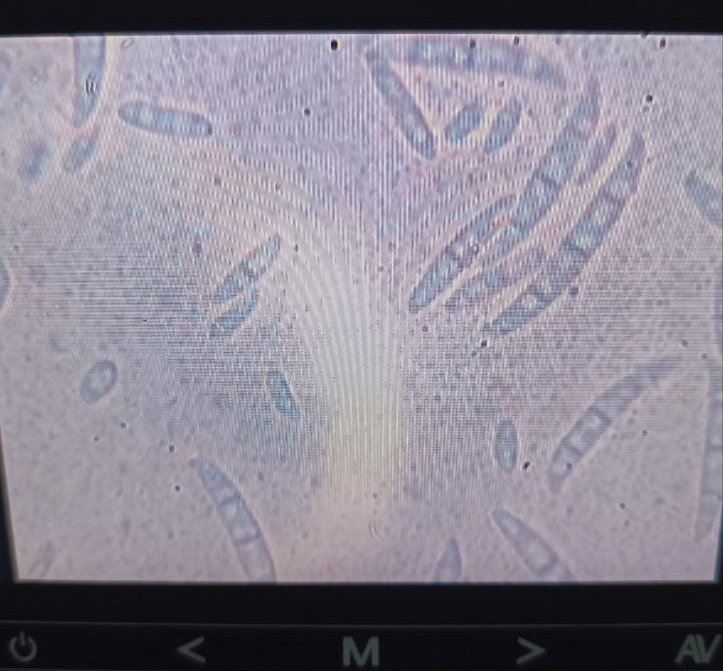 Fusarium spp. spores under a microscope[/caption]
Symptoms of Fusarium
Fusarium of the Spike
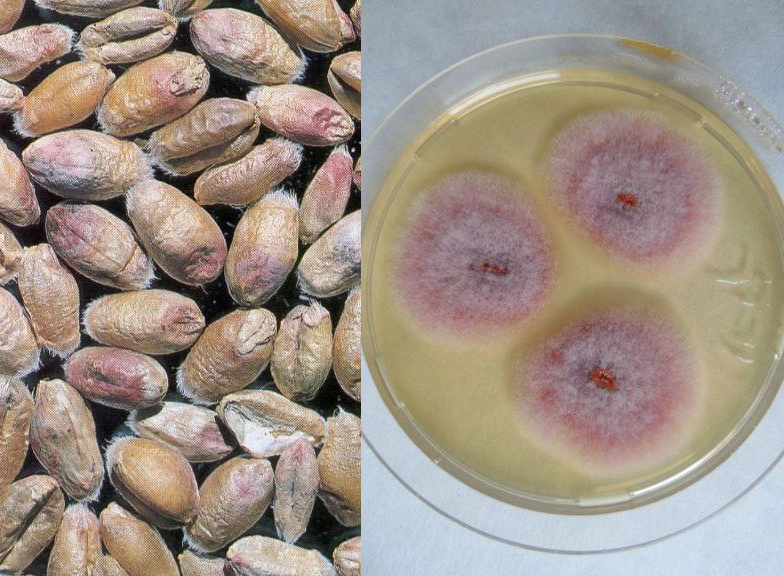
- Whitish or pinkish areas on the spike, especially in the middle and upper parts.
- Discolored, shriveled, and wrinkled grains.
- Pink fungal bloom at the infection sites.
- Poor grain development and empty spikelets.
Fusarium of the Root System and Stems
- Rotting of the root collar and root system.
- Brown or dark spots on the stem.
- Lodging of plants.
- Wilting and yellowing of leaves.
Harmful Effects of Fusarium
Fusarium not only reduces yield but also deteriorates grain quality, making it unsuitable for consumption due to the accumulation of mycotoxins (deoxynivalenol, zearalenone, etc.), which pose a threat to human and animal health.
Control Methods for Fusarium
Pre-sowing Treatment
- Treatment of seeds with the Sporagin biofungicide at a rate of 2 L per 1 ton of seeds to protect against Fusarium pathogens at early growth stages and enhance seed germination.
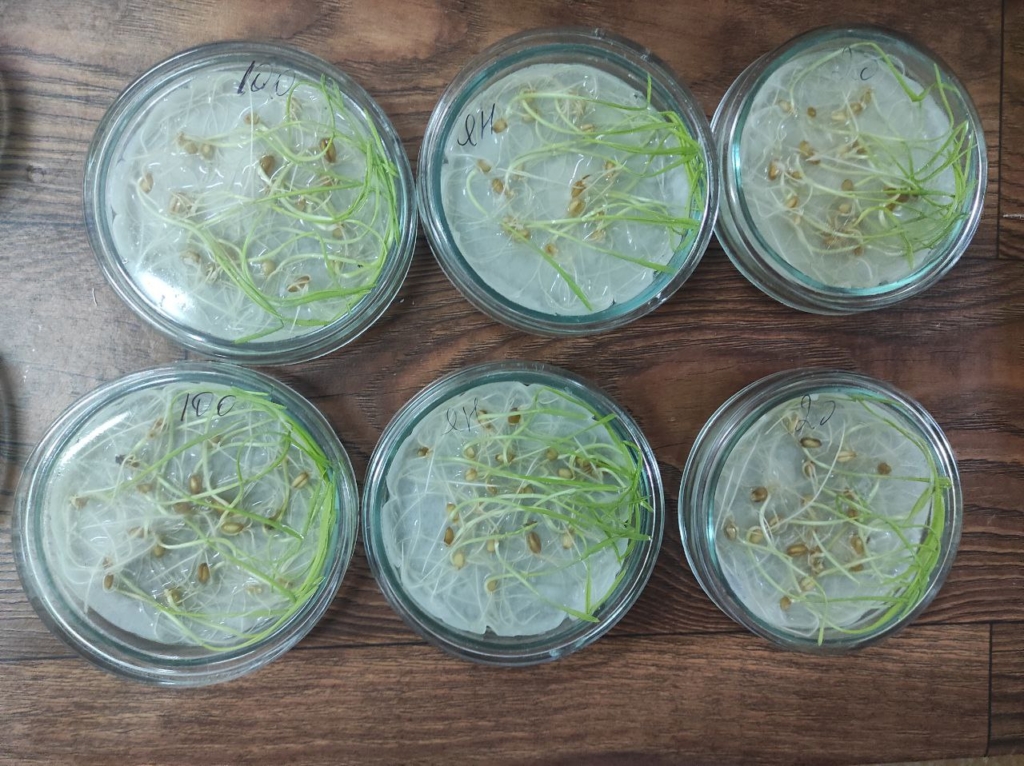 Seeds treated with Sporagin in Petri dishes[/caption]
Agrotechnical Measures
- Observing crop rotation with winter wheat and cotton, requiring additional control over plant residues.
- Deep plowing and disking after harvesting wheat and cotton.
- Using Fusarium-resistant wheat varieties.
- Optimal sowing timing and avoiding excessive crop density.
Biological Control
- Application of the Sporagin biofungicide at a rate of 2-4 L/ha during the stem elongation phase, 2-4 leaf phase, and budding phase.
- Use of the Plantastim biological stimulator and fungicide at a rate of 2-4 L/ha during vegetation before flowering and during the stem elongation phase.
- Application of the Baktomin nitrogen-fixing preparation at a rate of 2-4 L/ha.
- Three treatments throughout the season with the mentioned products will help increase yield and provide effective protection of wheat from Fusarium
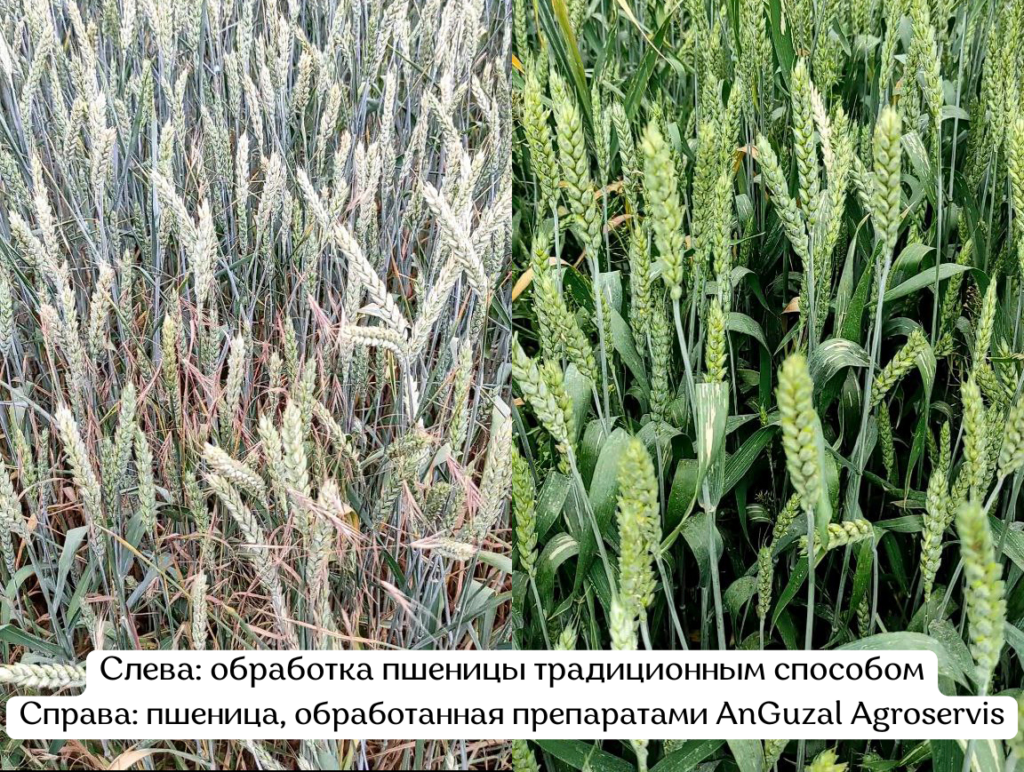 Left: Wheat treated with the traditional method, Right: Treated with the AnGuzal Agroservis complex of preparations[/caption]
Limitations of Chemical Treatments
Although chemical fungicides are traditionally used to combat Fusarium, their application has several drawbacks:
- They cause stress to plants, which can reduce yield and grain quality.
- They contribute to the development of pathogen resistance, requiring continuous changes of active substances.
- They can negatively affect soil microbiota, reducing its biological activity.
- Prolonged use decreases beneficial microorganisms essential for the plant's natural immunity.
Therefore, preference should be given to biological protection methods, which effectively control the disease without negatively impacting the plant and the environment.
Fusarium Prevention
- Controlling field moisture levels and ensuring proper drainage.
- Using high-quality, tested seed material.
- Regular field inspections, especially after cotton cultivation, to monitor pathogen spread.
- Following agrotechnical measures to reduce the risk of wheat infection after cotton.
Conclusion
Fusarium is a serious threat to winter wheat, especially under continuous cultivation with cotton. A comprehensive approach to disease control, including crop rotation, the use of biological fungicides, stimulators, and nitrogen-fixing preparations, will minimize yield losses and maintain grain quality.
Follow us on our Telegram and Instagram pages as well!
